CE-Certified Equipment: Why It Matters for Qatar Industrial Safety
When buying material handling equipment in Qatar, you’ll frequently see the term “CE-certified” used by reputable suppliers. But what exactly does CE certification mean, why does it matter in Qatar’s industrial environment, and how can you verify that the equipment you’re purchasing is genuinely certified? This article answers all those questions.
What Is CE Certification?
CE stands for “Conformité Européenne” — a French phrase meaning “European Conformity.” The CE mark is a product safety certification indicating that a product meets the health, safety, and environmental protection standards required by European Union legislation.
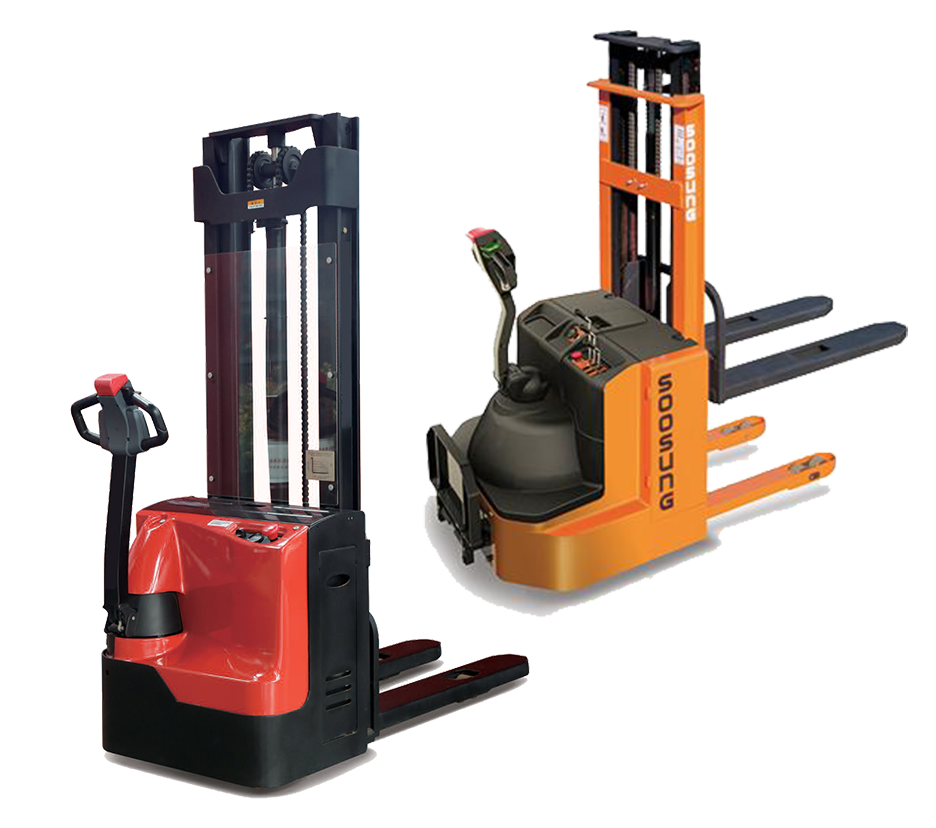
For industrial machinery like forklifts, electric stackers, pallet trucks, and scissor lifts, CE certification is governed primarily by the EU Machinery Directive (2006/42/EC). This directive requires manufacturers to conduct thorough risk assessments, design machines to eliminate or minimise hazards, and provide comprehensive safety documentation before affixing the CE mark.
Why CE Certification Matters in Qatar
Qatar does not yet have its own comprehensive national machinery safety standard, but CE certification has become the de facto international benchmark for industrial equipment safety in the Gulf region. Here’s why it matters for Qatar businesses:
1. Compliance with Free Zone Requirements
Qatar’s industrial free zones — including Ras Bufontas Free Zone (QFZA), Mesaieed Industrial City (QAPCO/Industries Qatar), and Hamad Port — increasingly require CE-marked equipment on-site. Safety audits by zone management and insurance inspections routinely check for certification documentation. Non-certified equipment may result in operational penalties or insurance voidance.
2. Worker Safety and Liability Protection
Qatar’s Labour Law (Law No. 14 of 2004) and associated occupational health and safety regulations place the responsibility for safe working conditions squarely on the employer. If an accident occurs involving uncertified equipment, the legal and financial liability exposure is significantly greater than if certified equipment with proper documentation was in use.
CE-certified forklifts and material handling equipment have undergone structural integrity testing, stability testing, overload protection verification, and electrical safety checks. This testing directly reduces accident risk.
3. Insurance Requirements
Many industrial insurance policies in Qatar specifically require CE-marked machinery for equipment liability coverage. Operating uncertified forklifts could invalidate your policy, leaving your business financially exposed in the event of an accident or third-party damage claim.
4. Equipment Quality and Durability
CE certification isn’t just a paper exercise. The process requires manufacturers to demonstrate that their machines meet specific performance and durability standards. In Qatar’s extreme climate — with outdoor temperatures exceeding 45°C in summer and significant dust in the environment — this engineering rigour translates to equipment that performs reliably over its full operational life.
How to Verify CE Certification
When purchasing material handling equipment in Qatar, don’t just take a supplier’s word that equipment is CE-certified. Request the following documentation:
- Declaration of Conformity (DoC) — A formal document signed by the manufacturer declaring that the product meets all relevant EU Directives. It should list the specific directives complied with (e.g., Machinery Directive 2006/42/EC, Low Voltage Directive 2014/35/EU).
- Technical File — Manufacturers must maintain a technical file including risk assessments, design drawings, test results, and operating instructions. While you won’t receive the full technical file, a reputable supplier can confirm it exists.
- CE Mark on the Machine — The CE mark must be physically present on the machine in a visible, legible, and indelible form. It must be accompanied by the manufacturer’s name, address, machine identification, and year of manufacture on the nameplate.
- Operator Manual in English — CE machinery must come with an operator manual in the language of the country of use. A proper manual indicates a genuine CE process was followed.
The Risks of Buying Non-Certified Equipment
The material handling equipment market in Qatar includes some lower-cost alternatives that claim CE marking without genuine certification. The risks of buying such equipment include:
- Structural failures under load due to insufficient testing
- Electrical faults from components not meeting safety standards
- Voided insurance coverage
- Regulatory penalties in free zones and industrial areas
- Significantly higher maintenance costs due to lower-quality components
- Reduced resale value
ARAS CE-Certified Equipment from Dazee Trading QFZ LLC
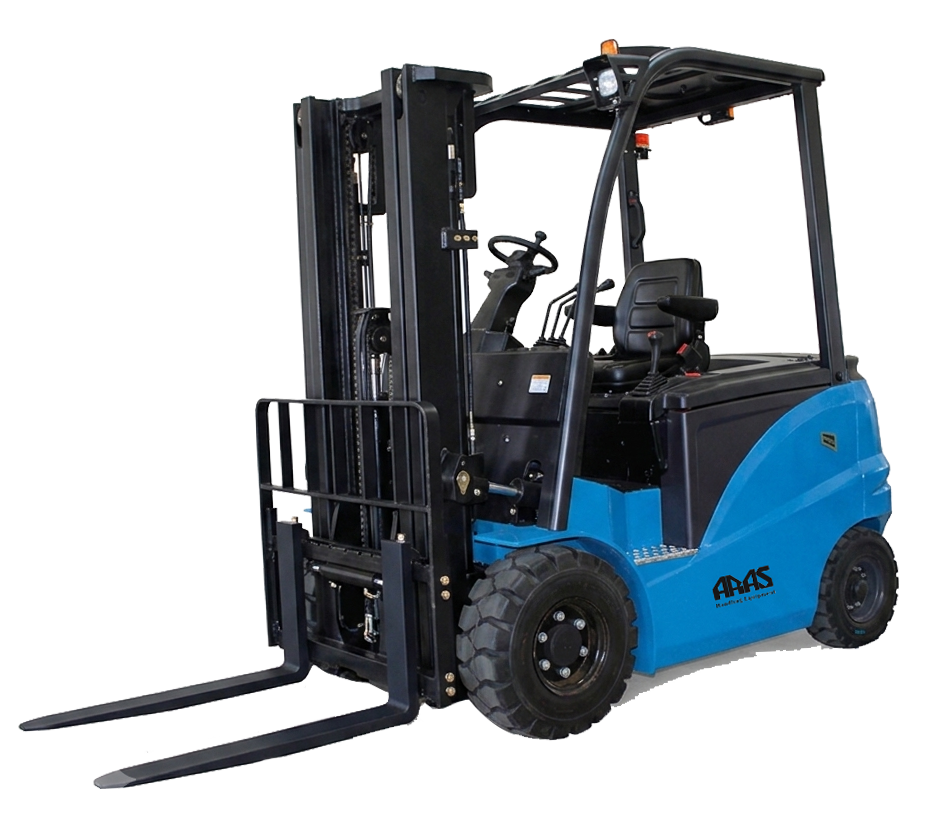
All ARAS material handling equipment supplied by Dazee Trading QFZ LLC carries full, genuine CE certification with supporting documentation. ARAS is a globally recognised brand manufacturing electric forklifts, stackers, pallet trucks, scissor lifts, reach trucks, and more — all designed and tested to meet the rigorous EU Machinery Directive standards.
When you purchase ARAS equipment through Dazee, you receive:
- CE Declaration of Conformity
- English-language operator manual
- Machine nameplate with CE mark and manufacturer identification
- After-sales support from Dazee’s Qatar-based technical team
We supply businesses across Doha, Ras Bufontas Free Zone, Mesaieed, and the wider Qatar region. Whether you need one forklift or a full fleet, we can help you get the right CE-certified equipment with the documentation your site compliance team needs.
Request a quote from Dazee Trading QFZ LLC or browse our CE-certified ARAS product range.